


Eurosatory 2026, taking place 15–19 June 2026 in Paris, will bring together defence organisations, research institutes, and industry partners working on technologies for sensing, protection, and spectrum operations. Among the key themes shaping modern defence capabilities are cognitive radar, electronic counter-countermeasures (ECCM), and electronic warfare (EW).
At this year’s exhibition, SkyRadar will present systems and environments designed to explore and train these technologies.
|
Luxembourg Pavilion |
The Electromagnetic Spectrum as an Operational Domain
Radar and communication systems increasingly operate in complex and contested electromagnetic environments. Military platforms must function in the presence of multiple emitters while remaining resilient to interference, deception, and spectrum congestion.
Electronic warfare activities may involve:
- broadband or targeted jamming
- deceptive signal injection
- dense spectrum usage from multiple platforms
- adaptive electronic attack techniques
In such environments, radar systems must not only detect targets but also maintain reliable operation despite interference. This requirement has driven growing interest in cognitive radar architectures and advanced ECCM techniques.
Cognitive Radar and Adaptive Signal Strategies
Cognitive radar systems are designed to interpret the surrounding electromagnetic environment and adjust their operation accordingly. Rather than transmitting fixed waveforms, these systems analyze received signals and dynamically modify parameters such as frequency, waveform characteristics, and signal processing strategies.
This adaptive behaviour can help radar systems maintain performance under challenging conditions, including interference and spectrum congestion.
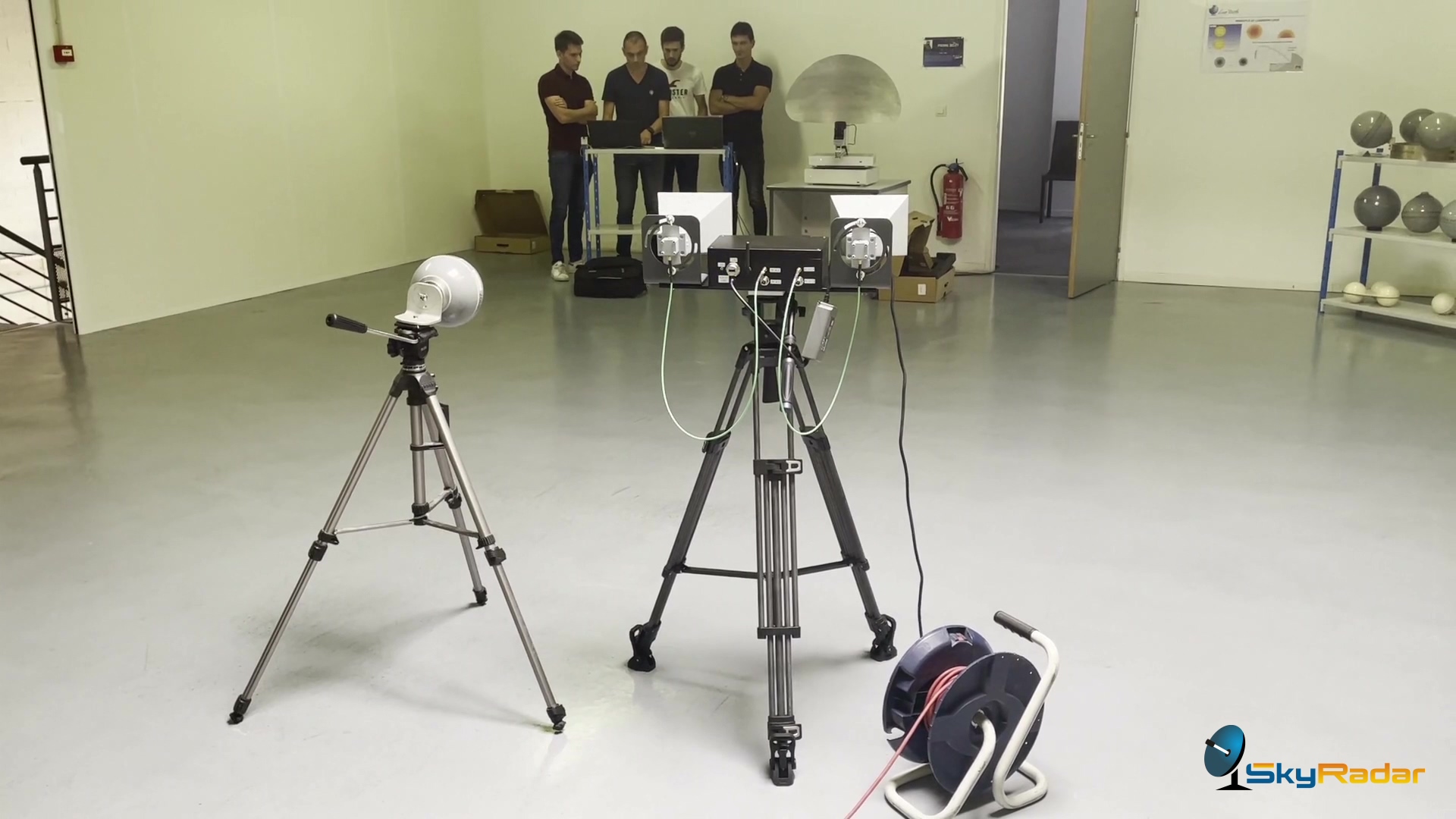
SkyRadar provides experimental environments in which engineers and analysts can examine these principles through controlled radar measurements and programmable spectrum scenarios. By observing how radar signals interact with changing electromagnetic conditions, users can study the mechanisms behind adaptive radar behaviour.
ECCM and Signal Resilience
Electronic counter-countermeasures are essential for preserving radar performance when electronic attack techniques are present.
Typical ECCM approaches include:
- waveform agility and adaptive transmission strategies
- interference recognition and classification
- advanced filtering and signal processing methods
- dynamic spectrum management
- multi-sensor integration
Understanding these techniques requires access to radar signals and controlled interference scenarios. SkyRadar environments allow users to analyze how radar systems respond to different forms of electronic interference and to explore mitigation strategies.
AI-Supported Radar and EW Analysis
Artificial intelligence is increasingly used to assist analysts in interpreting complex signal environments. Machine learning methods can support tasks such as identifying signal signatures, recognizing interference patterns, or detecting anomalies in spectrum behaviour.
SkyRadar’s FreeScopes AI environment introduces these concepts through a visual framework where neural networks can be constructed and trained using radar or spectrum data. This approach allows engineers and students to explore AI-based signal interpretation without requiring extensive programming experience.
When combined with radar measurements and signal simulations, the system provides a practical environment for studying how machine learning techniques may support spectrum awareness and sensor analysis.
Demonstrating Radar and Simulation Systems
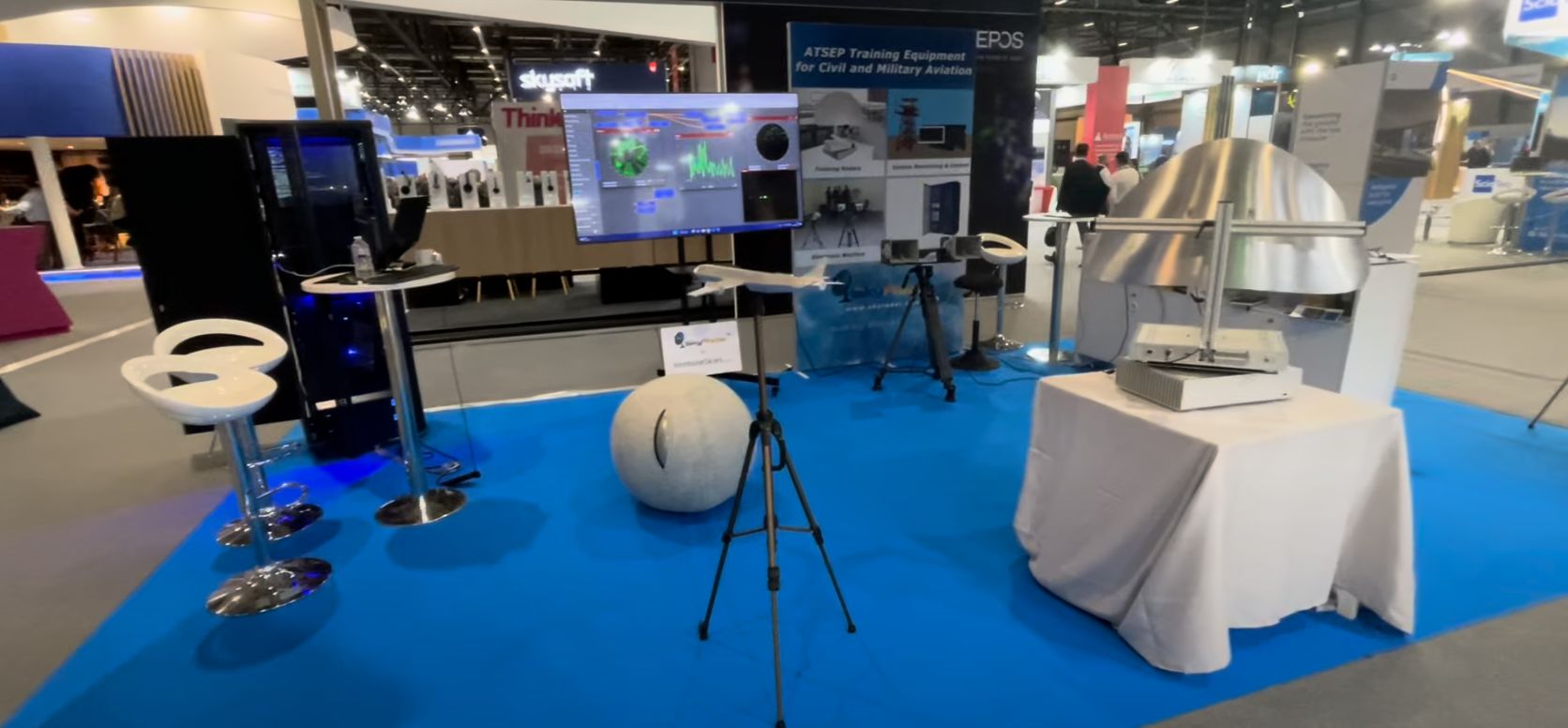
At Eurosatory 2026, SkyRadar will present a training radar together with several radar and electronic warfare simulation environments. These systems allow users to work with both real radar signals and simulated spectrum scenarios.
Demonstrations will illustrate how engineers can:
- observe radar reflections and Doppler effects from physical targets
- analyze radar signal behaviour in the presence of interference
- simulate spectrum activity and electronic attack scenarios
- explore AI-assisted signal interpretation
By combining hardware sensors, signal simulation, and analysis tools, the systems create a flexible environment for studying radar and EW technologies.
Supporting Defence Research and Technical Education
SkyRadar systems are used by defence research organisations, military academies, and universities to study radar engineering, spectrum operations, and electronic warfare concepts.
Because the platform integrates real signal measurements with simulation and AI-based analysis, it can support both experimental research and technical training. Engineers and analysts can therefore examine sensor behaviour in controlled conditions while exploring emerging methods such as adaptive signal processing and machine learning.
Meet SkyRadar at Eurosatory 2026
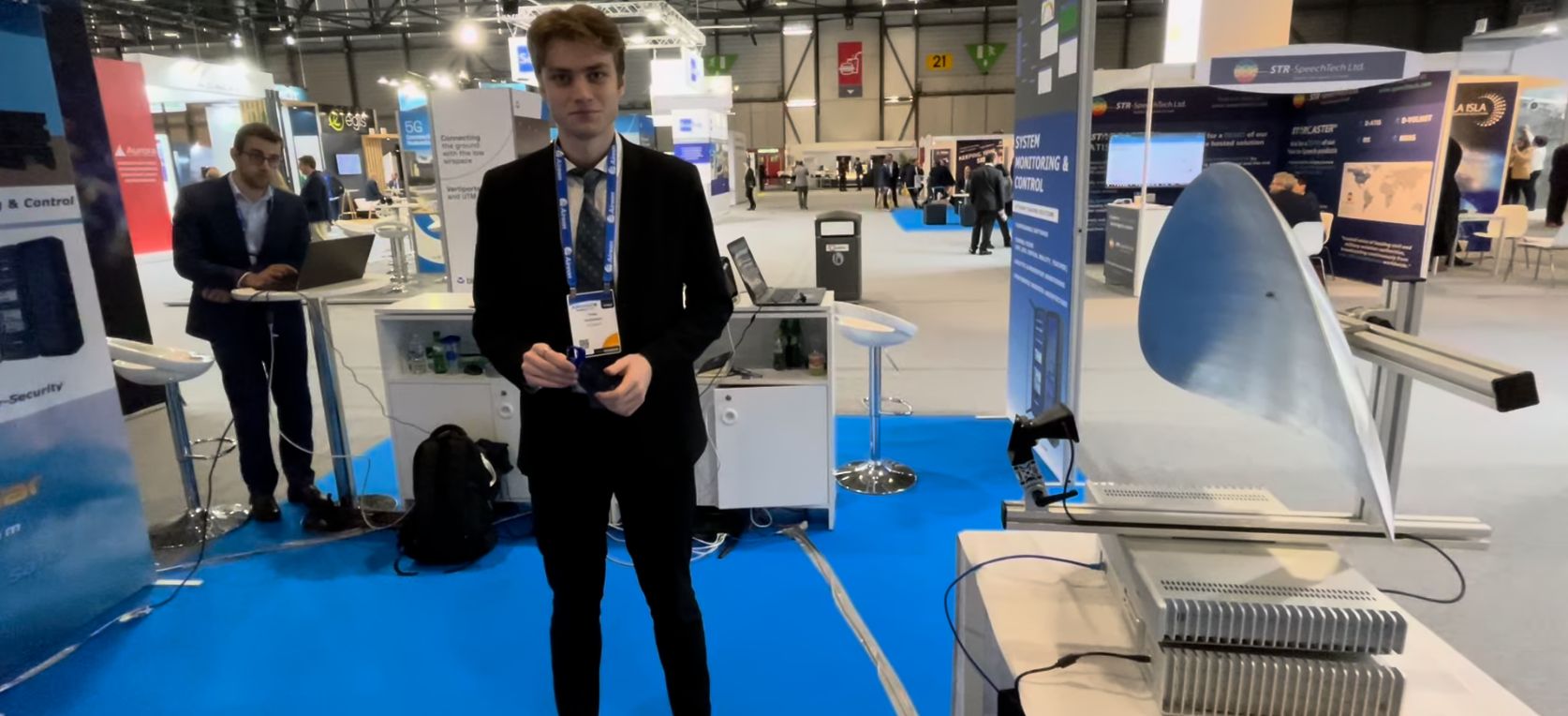
Visitors to the Luxembourg Pavilion, Hall 5a – Stand H190 will be able to explore SkyRadar’s radar and EW environments and discuss developments in cognitive radar and ECCM technologies.
In a defence landscape where control of the electromagnetic spectrum has become increasingly important, these technologies contribute to both experimentation and the preparation of specialists capable of operating advanced sensing systems.
Write us to Make an Appointment with our Team

Eurosatory 2026 /15–19 June 2026 / Paris / Luxembourg Pavilion – Hall 5a – Stand H190
How to get there ? | Write us to arrange a meeting: info@SkyRadar.com